A 41p fuel rise adds £23 a tank: the electric vs petrol maths
Running an electric car costs less per mile than petrol if you can charge at home. New petrol discounts fell to 10.2% in November even as fuel rose 41p a litre, so check the purchase price too.
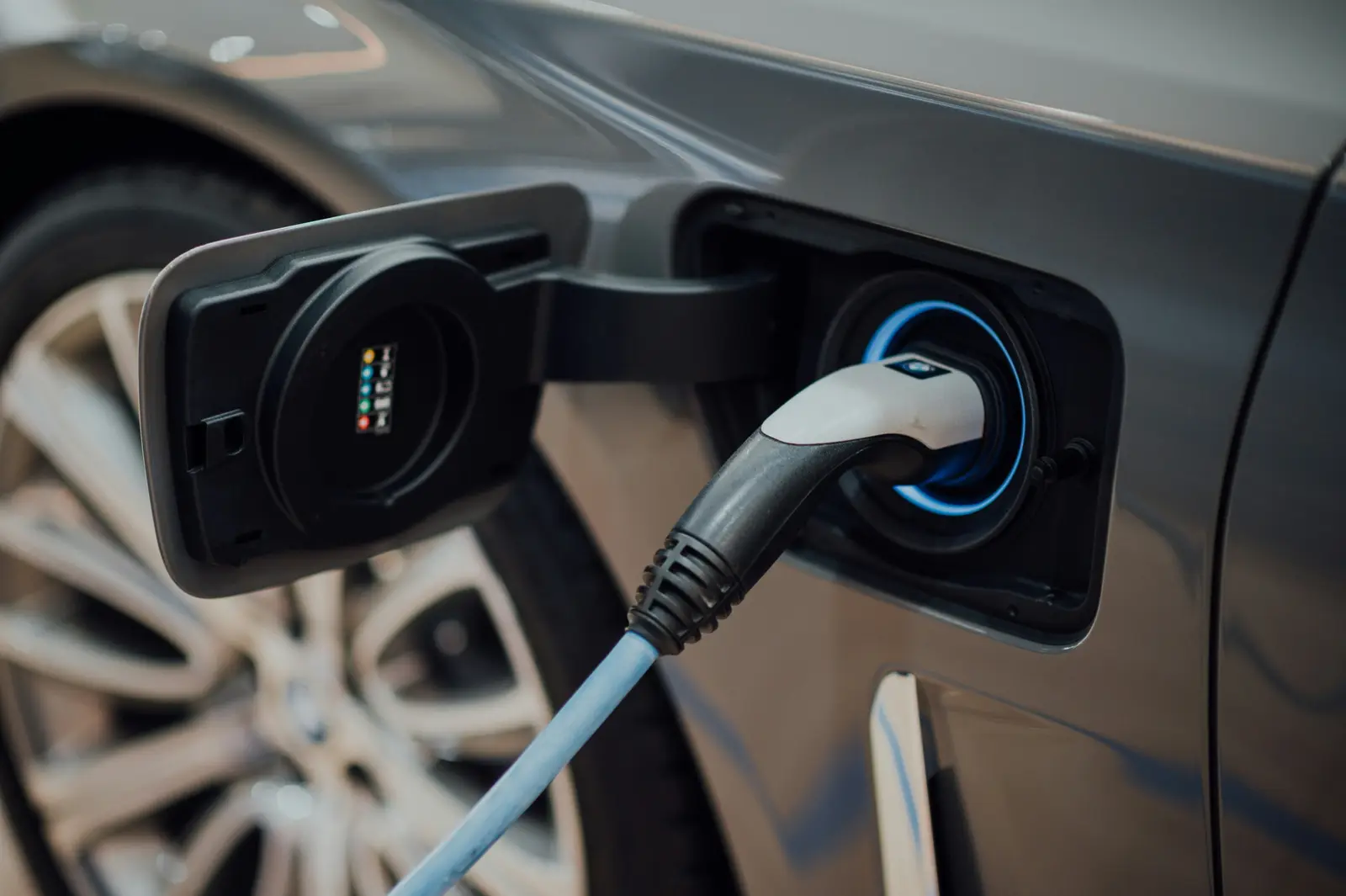
Is electric cheaper than petrol? For most drivers who can charge at home, yes: an electric car costs less per mile to run, and 2026's fuel prices widened that gap. The catch sits in two other numbers, the price you pay for the car and the price you pay per kWh when you charge away from home. Get those two wrong and the fuel saving stops mattering.
The fuel shock is real. UK drivers are paying about 41p a litre more for petrol than they were in February 2026, and about 57p more for diesel, after the conflict between the US and Iran pushed prices up. That works out at roughly £23 extra to fill a 55-litre family car with petrol and £32 for the diesel version. Brim a 70-litre SUV and unleaded is about £15 more than two years ago, diesel almost £40 more.
Per-tank figures understate the effect if you drive a lot. A 41p rise on a 55-litre tank is £22.55 a fill, so weekly fill-ups cost about £1,170 over a year. Hold that number in your head, because £1,170 a year is a serious sum and it still has to be weighed against the price difference on the car itself.
What drivers are doing about it
A poll of more than 1,100 drivers by DiscoverCars.com found 51% had changed their travel or driving habits to spend less on fuel. Two fifths said they were cutting unnecessary car trips, over two thirds were comparing prices at local forecourts when they had not done so before, about a third had changed their driving style, and a quarter were combining several errands into one trip.
Registration data points the same way. Between January and the end of October 2026, new petrol car sales fell 4.4%, about 35,600 cars, and diesel fell 7.8% to 83,500. Battery electric registrations rose 30.4% and plug-in hybrids 40%. The AA's EV Readiness Index puts 60 out of 100 UK drivers as considering a switch, up from 47.5 a little over a year earlier.
| Powertrain | New registrations, January to October 2026 vs 2025 | Average discount on new cars |
|---|---|---|
| Petrol | Down 4.4% (about 35,600 cars) | 10.2% in November, from 10.8% in February |
| Diesel | Down 7.8% to 83,500 | Lower than February; figure not published |
| Battery electric | Up 30.4% | Not published |
| Plug-in hybrid | Up 40% | Not published |
Higher pump prices have an uglier side effect. Forecourt Eye reports that diesel bilking, filling up and driving off without paying, has risen faster than petrol thefts since March.
The discount data that complicates the story
You would expect dealers sitting on slowing petrol stock to cut prices harder. Analysis by Insider Car Deals, shared exclusively with This is Money, found average discounts on new petrol cars slipped from 10.8% in February to 10.2% in November. Diesel discounts fell as well, though the exact figure was not published.
Six tenths of a percentage point sounds trivial until you apply it. At a £25,000 list price, 10.8% off is £2,700 and 10.2% off is £2,550, so the same car costs £150 more than it would have at February's discount. The published data says nothing about what happened to discounts on new electric cars over those months, so you cannot conclude from it that the up-front gap has closed in the EV's favour. Ask both dealers for the discount as a cash figure, not a percentage, and compare those.
Where the electric saving actually comes from
Running costs come down to two numbers: what you pay per kWh of electricity, and how many miles the car covers per kWh. Your cost per mile is the first divided by the second. On an overnight home tariff that figure is small enough that a petrol car cannot compete. The same car fed by public rapid chargers is a different proposition, because those chargers charge several times more per kWh.
So the honest answer to whether electric beats petrol depends on your parking. Off-street parking and a cheap overnight tariff make the per-mile saving large and predictable. Street parking with no plug, where most charging happens at motorway services or on a paid public post, shrinks the saving enough that it may not cover a higher purchase price. Check the tariffs you would actually use before you assume anything.
What to put in your own comparison
- Annual miles, taken from last year's MOT or service records rather than a guess.
- Charging: whether you have off-street parking, and the pence per kWh on your night tariff versus the public chargers near home and on your usual route.
- The cash discount on each car, asked for in pounds on the same day.
- Insurance quotes for both, at your postcode and age, with the same excess.
- Servicing quotes for both. An electric car has fewer wearing parts, but tyres usually cost more on a heavy car.
- Resale value: what a three-year-old version of each car sells for today. Neither fuel price report covers this, and it is usually the biggest cost of all.
Depreciation decides more car purchases than fuel does. Take what you would pay, subtract what a three-year-old example sells for now, divide by 36, and you have a monthly figure that usually dwarfs £23 a tank. Nothing here is personal financial advice; for a purchase this size, your own bank statements beat any article.
Who should wait
Hold off if you park on the street with no reliable overnight charging, if most of your miles are long motorway runs where you would depend on rapid chargers, or if you are shopping at the bottom of the used market where the cheap electric cars are small and old. In each case the fuel saving is real but modest, and it has to carry a purchase premium on its own.
If your current car is paid off and you drive moderate mileage, a 41p rise is irritating and not a reason to take on a five-year loan. Do the charging check first, then the discount, then the insurance quote. If all three come out in the EV's favour, the fuel price is a bonus on top.
Frequently asked questions
- Is electric cheaper than petrol per mile?
- Yes if most of your charging happens at home, where electricity is cheapest per kWh. An electric car turns that cheap energy into miles efficiently, so the running cost sits well below petrol. If you depend on public rapid chargers, the gap narrows sharply and can vanish. Work out your own cost per mile both ways before deciding.
- Did petrol car discounts really fall in 2026?
- Yes. Average discounts on new petrol cars went from 10.8% in February to 10.2% in November, according to Insider Car Deals analysis shared with This is Money. Diesel discounts also fell, though the figure was not published. On a £25,000 car, the difference is about £150.
- How much did fuel go up in 2026?
- Petrol rose about 41p a litre and diesel about 57p between February and late 2026, after the US-Iran conflict pushed prices up. That is roughly £23 more for a 55-litre tank of petrol and £32 for diesel. Fill up weekly and the petrol increase costs about £1,170 a year.
- Is it worth switching to electric just to save on fuel?
- Rarely on its own. A high-mileage driver can save four figures a year on fuel, but purchase price, insurance and depreciation decide the outcome. Without home charging the saving shrinks. Change car when the whole-life numbers work, not when a tank costs £23 more.
- What if I can't charge at home?
- Treat the fuel saving as uncertain. Street parking with no overnight plug means relying on public chargers, which cost more per kWh and take longer. Some workplaces and supermarkets offer cheaper charging. Check the actual tariffs near you before assuming an electric car will cut your monthly costs.
- Do electric cars cost more to buy?
- Usually yes, though the gap varies by model and by what you can negotiate. The published 2026 discount data covers petrol and diesel only. Ask a dealer for the cash discount on the electric model you are considering, then put that figure next to the petrol equivalent.
Sources
How we reported this story
Written by Nora Hale, Editor, The Finance Clarity.
- Sourcing. Every figure traces back to a primary source: regulators, central banks, or audited company filings.
- Independence. Affiliate relationships never influence a verdict. Sponsored placements are always labelled.
- Accountability. Every article carries a named byline, and is corrected or updated when the underlying figures change.
Further reading

Pablo Hernández de Cos takes the ECB: what it means for your money
Pablo Hernández de Cos has been nominated to lead the ECB from February 2027. His preference for lower rates meets 4% inflation, and savers and mortgage holders should plan for delay.

Protect savings from inflation: €10,000 at 2% loses €160 a year
Your savings lose value whenever the after-tax interest rate sits below inflation. The break-even rate is inflation divided by one minus your tax rate, and it is higher than most people expect.
BYD car factory in France: 900 jobs, no price, no models yet
BYD is in exclusive talks to buy Ineos's Hambach plant in Moselle, which would be its first car factory in France. No price, no date and no models yet, and nothing changes for buyers this year.