Why London house prices are falling: inner London is down 7.2%
London house prices fell 3.5% in the year to September, to £545,579, while the UK average rose 1.2%. Flats, inner London and the top end of the market explain the gap.
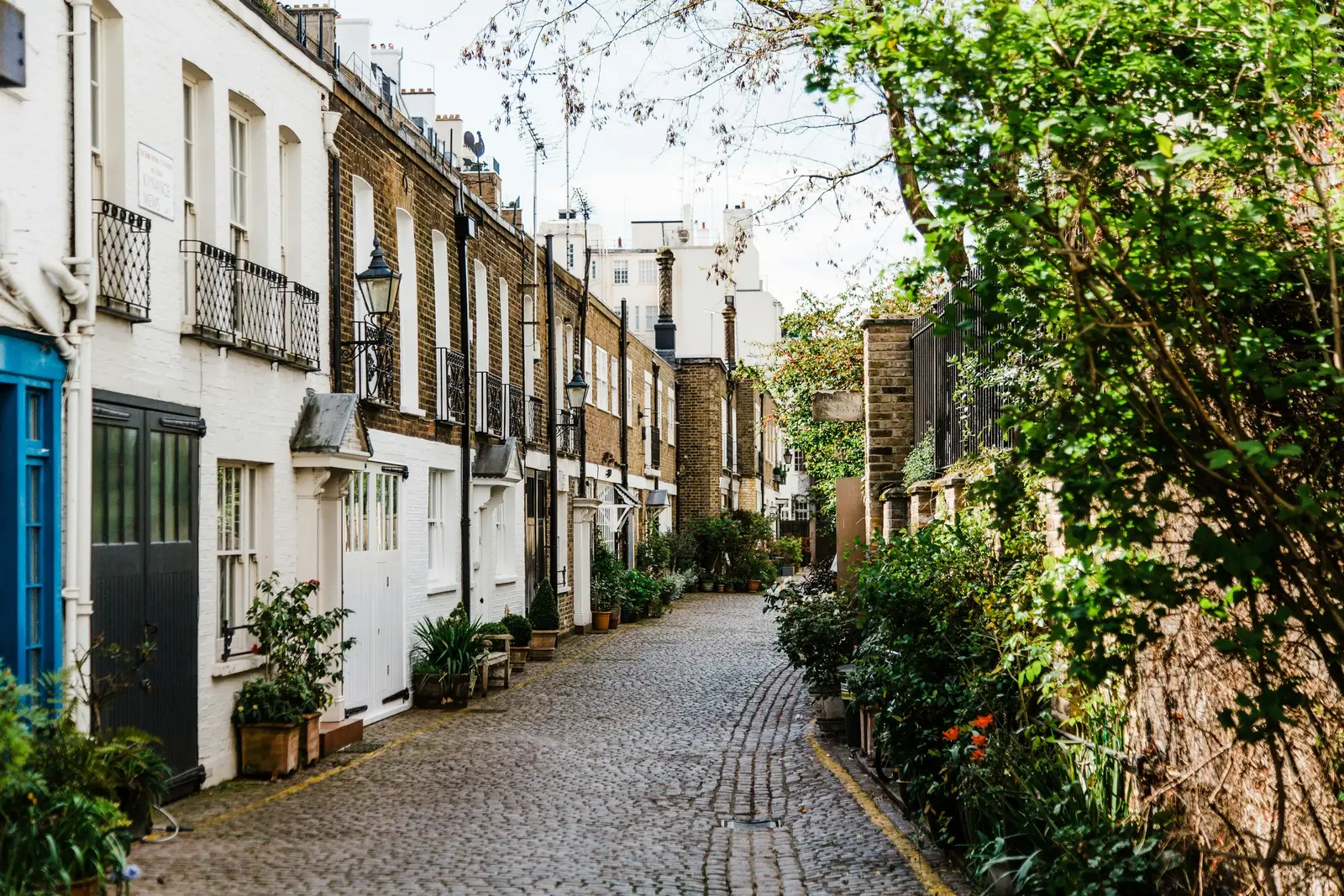
London house prices are falling for three reasons that stack on top of each other. Higher mortgage rates shrink the loan a buyer can get, purchase taxes have risen at the expensive end, and flats carry service charges and cladding problems that make them hard to shift. The average London home fell 3.5% in the year to September, down £19,788 to £545,579, according to Office for National Statistics data. Over the same period the average UK home rose 1.2%, or about £3,000, to £273,000.
That gap is the story. London and the South East were the only two UK regions where annual prices fell, and the South East is now 0.2% below where it was a year earlier. Wales and the South West had sharp monthly falls of around 1% between August and September, though their annual figures held up better. Nine of the 12 UK regions recorded a monthly decline.
What the numbers show
| Area | Average price | Change over 12 months | Change in cash |
|---|---|---|---|
| Inner London (12 boroughs and the City) | £621,491 | -7.2% | -£48,041 |
| London, all boroughs | £545,579 | -3.5% | -£19,788 |
| London flats | not published in this release | -6.3% | -£28,163 |
| Outer London | not published in this release | -0.1% | not published in this release |
| South East England | not published in this release | -0.2% | not published in this release |
| UK average | £273,000 | +1.2% | +£3,000 |
A citywide average hides a wide spread between property types and postcodes, so read the detail before you take 3.5% as a statement about your street.
Flats carry most of the fall
Flats fell 6.3% over the year, or £28,163, and that was the 14th consecutive month of declines. Leasehold arrangements, service charges and cladding problems have made them difficult to sell for years, and nothing in the current market has fixed any of that. This matters more than the headline number suggests, because flats are where most first-time buyers enter the London market.
If you own one, the pool of buyers is smaller and slower than it was. If you are buying one, the paperwork is the negotiation. Ask for the service charge history, the ground rent terms and any cladding documentation before you agree a price, and expect your lender to ask for the same.
Higher mortgage rates set the ceiling
Most London buyers borrow, so the maximum loan a lender will offer effectively sets what a home can sell for. A £1,200 monthly payment services about £283,000 of repayment mortgage over 25 years at 2%, and roughly £205,000 at 5%. Same payment, £78,000 less house. When rates moved up, that arithmetic took a bite out of what buyers could bid, and sellers who priced in a cheaper borrowing era have had to meet the market.
Purchase taxes hit the top end hardest
Jonathan Hopper, chief executive of Garrington Property Finders, says wealthy buyers in central London have decided to wait. He points to "a series of punitive tax increases" that have "given wealthy buyers pause for thought", with many "opting to keep their powder dry". Stamp duty changes and the high-value property surcharge, a levy of at least £2,500 a year on homes worth £2m or more from April 2028, land on the buyers who set prices in the centre of the city.
Inner London fell far faster than outer London
Inner London dropped 7.2% over the year, £48,041, from £669,532 to £621,491 across the 12 boroughs and the City, which include Camden, Tower Hamlets, Newham and Lambeth. That is the biggest fall since 2009. Outer London fell 0.1%.
Hopper's explanation is that the two areas draw different buyers. Outer London demand comes mostly from people who live and work in the city, and it softened without collapsing. Inner London relies on buyers for whom a purchase is optional, including international ones, and that demand cooled sharply.
What this means if you are buying
A lower price and a higher rate can cancel each other out. A 3.5% lower purchase price on a £545,579 home saves about £19,000, while a mortgage at 5% instead of 2% costs considerably more than that over 25 years. Work out the monthly payment before you get attached to a listing.
In a market with 14 months of flat-price declines behind it, there is room to negotiate, especially on a flat with a high service charge. Compare what similar units in the same building actually sold for in the last six months, not what they were advertised at.
- The service charge for the last three years, and any planned major works.
- Ground rent terms and how often they can be reviewed.
- Cladding and fire safety documentation for the building.
- Recent sold prices for comparable flats, taken from the Land Registry rather than the agent's brochure.
The stamp duty rules described here are England's, and if you are buying from another European country the currency cost and the tax treatment at home will differ. That is worth a conversation with a tax adviser in your own country before you commit.
What this means if you are selling
Fourteen consecutive months of falling flat prices means the market has already repriced. Price against what sold last quarter, not against what your neighbour asked two years ago. A flat that sits unsold for months usually ends up fetching less than the one priced sensibly on day one.
The £2,500-a-year surcharge on £2m homes is a fixed cash amount, so a central London property pays it from April 2028 whatever its value does in the meantime. That is the number to weigh if you are deciding whether to sell before then.
Pros
- Less competition and more room to negotiate on price.
- Flats are the cheapest entry point into the London market.
- A lower purchase price reduces the deposit you need in cash.
Cons
- Service charges and cladding risk sit with you after completion.
- Flat prices have fallen for 14 consecutive months, so resale is slow.
- Higher mortgage rates can cost more over 25 years than the price cut saves.
Frequently asked questions
- Why are London house prices falling?
- Higher mortgage rates reduced what buyers can borrow, tax rises cooled demand at the expensive end, and flats became hard to sell. The Office for National Statistics put the annual fall at 3.5% for the capital, against a 1.2% rise across the UK.
- How much have London house prices fallen?
- The average London home fell £19,788, or 3.5%, to £545,579 in the 12 months to September. Inner London fell £48,041, or 7.2%, to £621,491, and outer London fell just 0.1%.
- Are London flats losing value?
- Yes. Flats dropped 6.3%, or £28,163, over the year, the 14th month in a row of declines. Leasehold terms, service charges and cladding issues have made them slow to sell.
- Will London house prices keep falling?
- Nobody publishes a reliable forecast, and the ONS figures only describe what has already happened. The direction from here depends mainly on mortgage rates and on how many sellers need to move rather than choose to.
- Does the mansion tax apply to me?
- Only if the property is worth £2m or more. The high-value property surcharge adds at least £2,500 a year from April 2028, and it applies to homes in London and elsewhere in the UK that cross that threshold.
Sources
How we reported this story
Written by Nora Hale, Editor, The Finance Clarity.
- Sourcing. Every figure traces back to a primary source: regulators, central banks, or audited company filings.
- Independence. Affiliate relationships never influence a verdict. Sponsored placements are always labelled.
- Accountability. Every article carries a named byline, and is corrected or updated when the underlying figures change.
Further reading

Anthropic at $97 is priced for a decade that may not arrive
Anthropic's record IPO gave day-one buyers a 17% gain and left everyone else paying $97 for a $1.76trn company that is not yet profitable. Size it small or skip it.

Pension lump sum at 55: what the 25% tax-free rule really costs
In the UK you can take 25% of each defined contribution pension pot tax free from 55, rising to 57 in April 2028. The other 75% is taxed as income, so the timing of each withdrawal sets the bill.

Should I sell my stocks? Three reasons, none of them a red screen
A 5% fall on EUR 10,000 is EUR 500, and selling locks it in. The good reasons to sell are about your plan and your timeline. What to check before you place the order.